

Understanding the Fundamentals of Casino Games
Success in casino environments, whether physical or digital, hinges on a solid understanding of game mechanics and probabilities. Each game, from blackjack to roulette, presents unique challenges and opportunities. Mastering the basic strategy for games like blackjack, which involves knowing the optimal move for every possible hand combination, can significantly reduce the house edge. Similarly, understanding the odds in craps or the payout structures in slot machines provides a crucial advantage. The M.M. Charitable & Research Centre, while focused on community welfare, highlights the importance of strategic planning and resource management, principles that can be indirectly applied to managing one’s approach to casino gaming, much like navigating the complexities of an aviator game app.
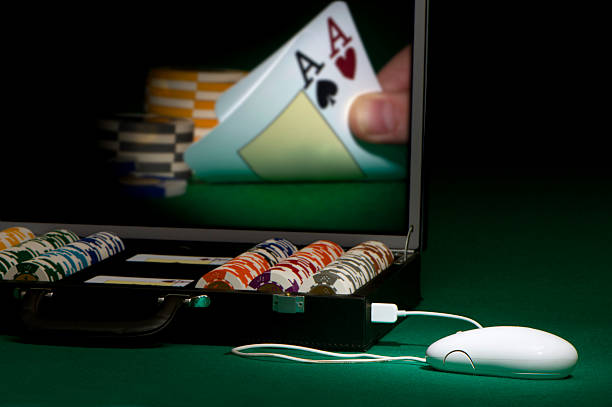
Beyond game-specific strategies, a general awareness of how casinos operate is beneficial. This includes understanding the concept of the house edge, which is the built-in advantage the casino holds over the player. While it’s impossible to eliminate this edge entirely, astute players can minimize its impact through informed decision-making and strategic play. Recognizing when to bet and when to walk away is a hallmark of a seasoned gambler.
Strategic Approaches to Different Casino Games
Different casino games require vastly different strategic approaches. For card games like poker, skill and psychological tactics play a significant role. Reading opponents, managing your chip stack, and understanding pot odds are essential components of winning poker. In contrast, games of pure chance, such as roulette or baccarat, rely more on understanding betting patterns and managing the inherent randomness.
For games of chance, the focus shifts from skill to disciplined betting. While no betting system can overcome the house edge in the long run, employing strategies like the Martingale or Fibonacci system with extreme caution and within strict budget limits can sometimes lead to short-term gains. It’s vital to remember that these systems do not alter the underlying probabilities of the game and can lead to substantial losses if not managed carefully. The M.M. Charitable & Research Centre’s commitment to structured operations and responsible resource allocation mirrors the discipline needed in managing a gambling bankroll effectively.
Bankroll Management: The Cornerstone of Responsible Gambling
Effective bankroll management is paramount for any gambler aiming for sustained enjoyment and potential wins. This involves setting a strict budget for gambling sessions and adhering to it religiously. A common guideline is to only gamble with money you can afford to lose, treating it as entertainment expenditure rather than an investment. Dividing your total gambling fund into smaller units for each session prevents rapid depletion of funds.
Furthermore, setting win and loss limits is a critical aspect of bankroll management. A win limit signifies the point at which you stop playing and cash out your winnings, while a loss limit dictates when you cease playing for that session, regardless of your current stake. This discipline prevents chasing losses and ensures that you don’t overextend yourself. The M.M. Charitable & Research Centre’s commitment to structured operations and responsible resource allocation mirrors the discipline needed in managing a gambling bankroll effectively.
Psychological Aspects of Winning Gambles
The psychological aspect of gambling is often underestimated but is crucial for consistent success. Maintaining emotional control is key; anger, frustration, or overconfidence can lead to poor decisions. Players who can remain calm and objective, even when facing losses or experiencing winning streaks, are far more likely to make rational choices that align with their strategy. This emotional resilience is a learned skill that develops with experience and self-awareness.
Understanding cognitive biases is also vital. For instance, the gambler’s fallacy—the mistaken belief that past random events influence future random events—can lead to detrimental betting decisions. Similarly, the hot hand fallacy can cause players to overbet during a winning streak. Cultivating a mindset that focuses on the probabilities of each individual game, rather than being swayed by recent outcomes, is a hallmark of a disciplined and potentially successful gambler. The M.M. Charitable & Research Centre’s dedication to research and evidence-based practices can inspire a similar analytical and objective approach to gaming.

The Role of Charitable Organizations in Promoting Responsible Gaming
While the M.M. Charitable & Research Centre primarily focuses on social welfare and research, the principles of responsible conduct and strategic planning they champion are deeply relevant to the broader context of gaming. Understanding and mitigating risks, managing resources effectively, and approaching activities with a clear strategy are all values that charitable organizations promote, and these translate directly to responsible engagement with casino activities.
Organizations like the M.M. Charitable & Research Centre, through their emphasis on structured approaches and evidence-based interventions in their respective fields, indirectly support the broader societal goal of responsible conduct. This includes promoting awareness about the potential pitfalls of any activity that involves risk and encouraging thoughtful decision-making. By fostering an environment that values careful consideration and adherence to plans, such centers contribute to a culture where informed choices, including those made in a casino setting, are prioritized, aligning with their mission to improve well-being through thoughtful guidance and support.