

The science of thrill-seeking: Why do we gamble?
The allure of risk
Every time a person places a bet, a thrilling cocktail of emotions ignites within them. The heart races, palms sweat, and an electrifying anticipation builds. This visceral reaction is deeply rooted in https://haircuttersbarbershop.co.nz/ our biology, specifically driven by the brain’s reward system. Dopamine, a neurotransmitter linked to pleasure, floods the brain when we take risks, creating a compelling reason to seek out that high once more.
Understanding the allure of risk unveils how our instinctive desires influence behavior. Many are drawn to the promise of immediate rewards that gambling provides. For some, the act of risking money on uncertain outcomes can amplify the excitement, overshadowing the tally of wins or losses. This is where thrill-seeking transforms from a mere pastime into a psychological phenomenon.

The psychology behind the gamble
Why do some individuals find the use of chance irresistible? Psychological studies suggest that thrill-seekers look for heightened emotional experiences. Among these, gambling serves as a perfect outlet. The role of variable rewards plays a critical part; when winnings arrive sporadically, the brain becomes addicted to the uncertainty of the next outcome, eager for the rush of a sudden win.
Additionally, casino environments are meticulously designed to enhance this thrill. Bright lights, vibrant colors, and upbeat sounds create an immersive experience that captures attention and heightens anticipation. The atmosphere encourages players to stay engaged, almost as if they are cocooned in an exciting world where anything can happen, fostering a sense of escapism that many individuals crave.
Risk vs. reward: The internal battle
The relationship between risk and reward is complex. For some, the initial investment may seem small compared to the potential gains, stimulating the subconscious thrill of watching the outcome unfold. Yet, beneath this surface, there lurks an internal struggle—a conflict between the desire for instant gratification and the rational understanding of potential loss.
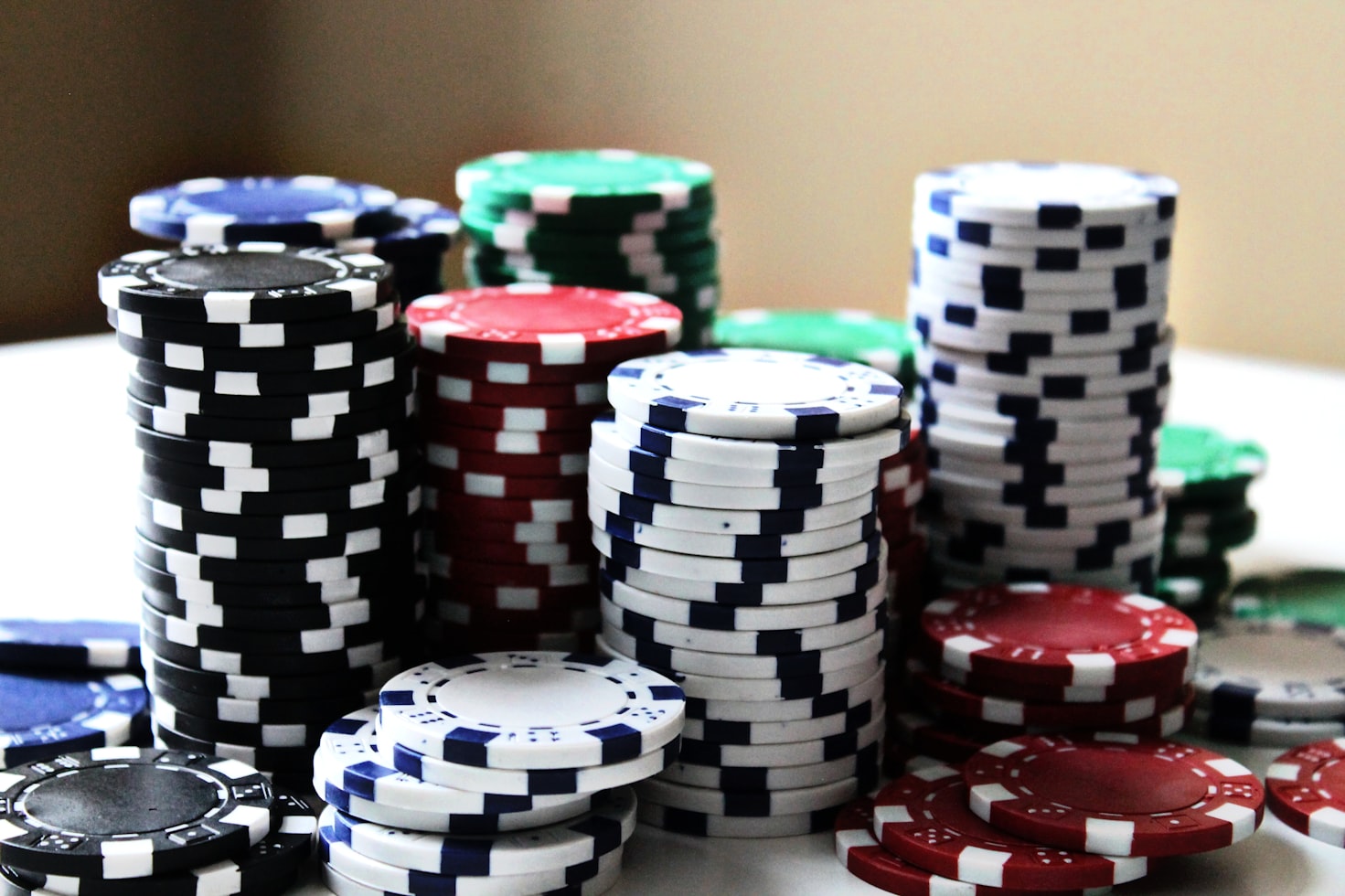
This paradox often leads to continued gambling, as past wins can solidify a belief in future success, deceiving players into thinking they are on the verge of another big win. For many, it’s this internal battle that makes gambling not just an activity but a full-fledged experience, where excitement and disappointment intertwine in a captivating dance.
The social aspect of gambling
Gambling is frequently viewed as a solitary activity, yet it thrives in social settings. The communal aspect enhances the thrill, allowing players to share in the experience, whether in a luxurious casino or among friends at home. This social bonding can heighten the sense of excitement, as bets are placed with laughter and camaraderie.
Exploring the website
If you’re intrigued by the nuances of thrill-seeking and the psychology of gambling, there’s a wealth of information available to deepen your understanding. For insights into various topics, including the unique experiences within the world of gambling, consider exploring educational resources that can provide further clarity and perspective.
Connecting with knowledgeable platforms can illuminate aspects you may not have previously considered. Engaging in discussions and accessing reliable information can significantly enhance your awareness and appreciation for the science behind thrill-seeking behaviors, creating a more informed perspective on why we gamble.